

How to Stop Competitor Map Spam from Stealing Your Phone Calls
I’ll never forget the moment I realized my phone calls were dropping, not because my marketing was failing, but because shady competitors started flooding my Google Maps listing with spam. It was like watching my leads evaporate into thin air while I scrambled to figure out what was happening. If you’ve experienced unexplained drops in calls or suspicious activity on your Google My Business profile, you’re not alone. These tactics are becoming more common, and they can seriously hurt your business if you’re not prepared.
The Hidden Struggle with Competitor Map Spam
For months, I thought my local SEO efforts were hitting a plateau. Calls were trickling down, and my rankings seemed stuck. Then, I uncovered the truth—competitors were employing aggressive map spam tactics to steal my phone traffic. The frustration was real, and I knew I had to find a reliable solution. But here’s the thing: many of us don’t realize just how much map spam can impact our bottom line, or how easily it can go unnoticed until it’s too late. According to recent studies, spammy map tactics can reduce local business visibility by up to 30%, significantly impacting lead generation (source: GMB Automation Study).
So, have you faced a sudden drop in calls or seen suspicious changes in your map rankings? If so, don’t worry—you’re about to discover proven methods to safeguard your map listings and restore your visibility.
Is Fixing Map Spam Actually Worth the Effort?
Early on, I made a mistake—assuming any small glitch was just a temporary bug. I didn’t address spam threats head-on, which allowed my competitors’ tactics to worsen. It’s easy to underestimate how damaging map spam can be, but ignoring it only compounds the problem. The good news? There are effective strategies to combat map spam, and I’ll guide you through them, so you can reclaim your rightful visibility and stop losing valuable calls.
Now, let’s get into the concrete steps you can take to protect your local presence and ensure your business stays ahead of the spammy competition.
Identify Fake Listings and Map Spam
Begin by auditing your Google My Business (GMB) profile regularly to spot suspicious duplicates or altered information. Use tools like GMB tracking tests to verify whether your map data aligns with real-world locations. I remember during one audit, I found a competitor’s fake listing that duplicated my address but with slight variations. Removing such duplicates was crucial for maintaining our ranking integrity.
Leverage SEO Automation to Detect and Counteract Spam
Automate rank monitoring using scripts from SEO automation scripts. These scripts can flag sudden drops or unexplained rank changes, indicating possible spam interference. Setting up automated alerts allowed me to react quickly when our map visibility declined unexpectedly. This proactive approach prevents domain erosion caused by spam tactics.
Dissect Competitors’ Weaknesses for Strategic Advantage
Utilize SEO automation tools to analyze your competitors’ GMB profiles. Find gaps such as unverified listings or inconsistent NAP (Name, Address, Phone Number) data. For example, I discovered a competitor’s map spam was hiding behind an unverified profile. Correcting your NAP consistency sends a message of authenticity to Google, which can help mitigate spam’s impact.
Secure and Verify Your Business Location
Use verification methods to ensure your profile is genuine. Verify your address with Google, and confirm your profile’s accuracy through the latest software guidance. During my process, re-verifying my info helped restore some lost visibility by reinforcing the legitimacy of my listing.
Implement Advanced SEO Automation Strategies
Deploy comprehensive scripts from SEO automation secrets to fix persistent rank issues arising from spam. These can include bulk rank audits, automating review responses, and attacking rank plateaus head-on. In my case, running regular scripts allowed me to clean up spam my competitors tried to introduce, ensuring my GMB stayed competitive and visible.
Maintain Consistent Monitoring and Adjustment
Regularly check your GMB rankings using tools like rank audit techniques. Adjust your tactics based on data insights, focusing on spam removal, profile verification, and local SEO health. This ongoing process acts like a shield, defending your local rankings against shady tactics and ensuring sustainable visibility.

Many local business owners believe that setting up their Google My Business (GMB) profile and deploying basic SEO automation tools guarantees top rankings. However, this misconception can lead to complacency and missed opportunities. The truth is, SEO automation isn’t a magic bullet—it’s a powerful component of a broader, nuanced strategy. Relying solely on templates or generic scripts can cause you to overlook the complex ecosystem influencing your GMB visibility.
One common myth is that automation alone can outsmart competitors who manipulate maps software. In reality, advanced tactics require a layered approach—combining automation with human analysis of map data, competitor weaknesses, and local signals. For instance, some assume that verifying their business address will secure top rankings. While verification is crucial, it must be paired with ongoing audits of map data accuracy and proactive spam removal. Otherwise, fake listings or map glitches can still undermine your efforts.
Let’s clarify an often-misunderstood nuance: many automation tools claim to identify all map glitches or ranking anomalies. But in my experience, these tools can produce false positives or miss subtle signs of map spam. A deep understanding of GMB blind spots reveals that true mastery involves manual verification combined with automation, not the other way around.
### Are You Exploiting the Full Potential of SEO Automation?
An advanced question for seasoned practitioners is whether your automation scripts address the specific blind spots in your local map presence. For example, many overlook the importance of detecting proximity bias or map data discrepancies that affect rankings. Implementing targeted automations from SEO automation secrets can uncover hidden weaknesses in your local signals.
Moreover, beware of the trap of complacency. Relying purely on automation without regular manual audits can lead to a false sense of security. Google continuously updates its ranking algorithms and map verification processes. An unrefreshed automation strategy risks falling behind, especially if competitors are actively exploiting new spam tactics or map glitches. Consistent manual review combined with automation is the optimal approach to stay ahead.
In essence, understanding that GMB ranking success relies on continuous, layered efforts—automation support, manual verification, and strategic competitor analysis—is key. This nuanced perspective is often overlooked, yet it distinguishes a thriving local SEO campaign from a stagnant one.
Have you ever fallen into the trap of over-relying on automation? Let me know in the comments, and share your experiences with balancing manual efforts and tech solutions.
Keep Your System Running Smoothly with the Right Tools
Maintaining a resilient Google Maps and local SEO system requires leveraging precise tools that align with your strategy. I rely heavily on Google My Business verification tools such as the latest verification methods guide to ensure my listings stay legitimate and resistant to spam. Additionally, I use rank monitoring scripts from 7 Scripts for GMB Recovery to set up automated alerts that flag sudden drops, enabling quick response before minor issues become major setbacks.
Tools like Maps Software Auditing ensure your location data remains accurate; this is vital given the increasing sophistication of spam tactics like fake map listings. I recommend regularly running comprehensive audits, which you can learn about in simple audit tests. These checks help you detect discrepancies caused by spam or software glitches that could silently erode your rankings over time.
Automate for Long-Term Results
Automation isn’t just a shortcut; it’s a necessity for managing multiple locations efficiently. I personally employ scripts that automate rank tracking, review responses, and data consistency checks. For example, automation secrets reveal how carefully designed scripts detect blind spots like proximity bias or hidden map glitches. Setting these scripts to run weekly ensures you catch issues early and adapt quickly, safeguarding your visibility long term.
Predicting future trends, I believe the integration of AI with existing automation tools will further revolutionize how we monitor and maintain local rankings. Advanced AI can sift through enormous datasets, identifying subtle changes and spam formations faster than manual checks. Keep an eye on emerging AI plugins designed specifically for local SEO, as they promise to simplify the ongoing maintenance process.
How do I keep my systems up-to-date and effective over time?
Consistent maintenance is crucial. Regularly review your automation settings, stay informed about Google’s algorithm updates, and refine your processes accordingly. Incorporating external audits, such as detailed rank audit tactics, ensures your tools are calibrated for maximum accuracy. Additionally, building a habit of manual spot checks complements automation and helps you stay ahead of evolving spam tactics. Remember, no system is set-it-and-forget-it, especially when your business depends on it.
Finally, don’t skip the power of targeted scripts. For instance, automating rank recovery using specific recovery scripts can save you hours each week and protect against rank erosions caused by spam or algorithm shifts. If you want to stay competitive, it’s time to invest in these exact automation workflows that have proven successful in 2026.
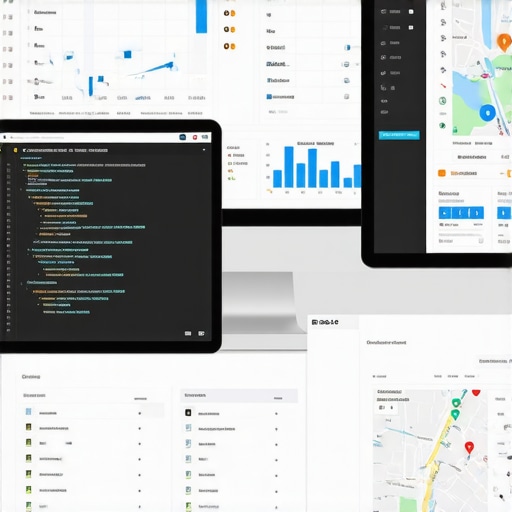
By integrating these tools and maintenance routines, you ensure your GMB presence remains resilient amid evolving spam and map manipulations. Remember, automation is your force multiplier—pair it with regular manual audits and strategic updates to keep your rankings stable and profitable.
Get Started Today
Take action now: try implementing a targeted rank monitoring script from this guide to see firsthand how automation can proactively protect your visibility. The future of local SEO depends on your ability to maintain your systems effectively—don’t wait until your rankings dip before acting.
The Hidden Lessons That Transformed My Approach to Map Spam
One of the most crucial insights I discovered was that automation alone isn’t a silver bullet. It took manual audits and a keen eye for anomalies to truly keep my listings safe from deceptive spam tactics. I’ve learned that consistency and human oversight complement automation, creating a resilient defense.
Another lightbulb moment was realizing how vital authentic NAP data is. When I corrected my business information and ensured it matched across all platforms, my rankings became more stable, and I gained credibility with Google. Fake or inconsistent data, even from competitors using spam, can be your biggest threat—and your biggest opportunity to stand out by staying genuine.
And perhaps the most unexpected lesson was that proactive monitoring prevents crises. Waiting until rankings drop or calls dwindle is too late. Instead, setting up real-time alerts and conducting regular deep dives can catch issues early, saving time and preserving your local visibility long-term.
Tools and Resources That Elevated My Strategy
My go-to resource has been GMB automation insights. They unlock hidden blind spots in local rankings and teach you how to leverage automation meaningfully. For automating rank recovery, I rely on these scripts; they’re game-changers in responding swiftly to sudden dips.
Additionally, analyzing competitor weakness with strategic automation reveals gaps I can capitalize on. Verification tools and auditing techniques from reputable sources ensure I stay ahead of fraudulent listings and glitches, keeping my profile authentic and trustworthy.
Lastly, staying updated with map data accuracy tests and the latest software features helps me adapt swiftly to changes. These resources form the backbone of a proactive and informed local SEO practice.
Seize Your Chance and Shape Your Success
Your journey to a resilient, high-ranking Google My Business profile begins now. Embrace automation not as a set-it-and-forget-it solution but as a powerful ally in your ongoing effort to stay ahead of spam and manipulation tactics. By combining manual diligence, strategic resource use, and continuous learning, you’re setting the stage for sustained success in local search.
What tactics have you found most effective against map spam or rank drops? Share your experiences below—your insights might just help others take their local SEO to new heights!