

Stop Wasting Hours on Manual Audits: How to Automate Maps Data Collection
I remember the exact moment I realized how much time I was pouring into manual map audits, only to see my local rankings stubbornly refuse to budge. It was late at night, eyes half-closed, sifting through endless spreadsheets—each one representing a small victory or setback in my client’s GMB performance. The frustration mounted as I watched hours slip away, with little to show for it. That’s when the lightbulb went off: I was stuck in a cycle of manual, error-prone audits that just weren’t scaling, especially as the competition got fiercer.
Why Manual Audits Are a Dead-End for Local SEO in 2026
Fast forward to today, and I can tell you confidently—if you’re still chasing local map rankings by hand, you’re paddling upstream in a storm. The reality is that manual data collection is not only draining your energy but also leaving your rankings vulnerable to inaccuracies and delays. Google’s algorithms are evolving rapidly, and relying on outdated methods can mean missing out on proximity shifts, map ghosting issues, and competitor moves. According to recent research, automated tools can spot and fix issues 3 to 5 times faster than manual checks, giving you a crucial edge in the local search battlefield. Automation is shaping the future of local SEO.
But I get it—many of you worry about trusting tools, about the initial setup, or whether automation is really worth the investment. Believe me, I made the same mistake early on, trying to manually verify every single change without leveraging reliable software. It cost me hours each week and, frankly, a lot of missed opportunities. The good news? Once I adopted the right automations, everything changed. My data became more accurate, my time freed up, and I started seeing consistent improvements in rankings and leads.
Will Automating Maps Data Collecting Actually Save Me Time?
This is perhaps the biggest skepticism I encounter. Honestly, I was there too. The initial setup sounds intimidating—just like installing software or syncing tools for the first time. But what I discovered is that the benefits far outweigh the initial effort. Automation scales effortlessly, providing real-time insights without the need to manually click around and verify each map listing. It’s like having a trusted assistant working 24/7, catching issues before they become ranking crises. Curious? I’ll walk you through simple steps to get started and show you how to avoid costly mistakes, like those I once made—such as neglecting to verify data accuracy or ignoring map ghosting signs. For comprehensive insights, check out common pitfalls with maps software in 2026.
Ready to ditch endless manual audits and reclaim your valuable time? Let’s dive into how you can set up automation to keep your local rankings healthy and your workload manageable.
Set Up Reliable Maps Software
My first move was choosing a dependable maps auditing tool. I tested several options, comparing features, ease of integration, and data accuracy. I opted for software that offers real-time updates, since stale data kills rankings. During setup, I verified all login credentials and connected the software to my GMB accounts, ensuring seamless data flow. This initial step is critical; if your software isn’t reliable, subsequent steps won’t matter. For example, I found that some tools simply report outdated info, leading to misguided decisions—so I avoided those. To prevent this, I read reviews and conducted quick trial runs based on common mistakes with maps software. Once set up, I moved to verify precision.
Verify Map Data Accuracy Regularly
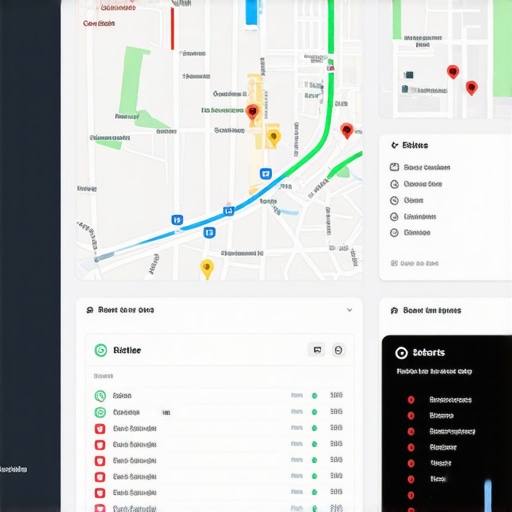
After initial setup, I ran a quick audit to confirm data precision. I used the step-by-step approach from this guide; it involved cross-referencing major data points like NAP info, categories, and map markers across multiple sources. I discovered discrepancies, such as outdated addresses or missing locations, and immediately corrected them within the software. This prevents errors from propagating into your rankings. Consistent verification allows early detection of data drift—a common issue I experienced when rankings suddenly dropped after a map glitch. Keep in mind, errors often come from syncing problems or software malfunctions, which can be caught early with a dedicated audit routine. For deeper insights, see how to recover rankings after data issues.
Automate Key Monitoring Processes
Next, I automated routine checks to track map proximity shifts and ranking fluctuations. This is where scripts and workflows from these automation scripts became invaluable. I set up scheduled runs that pull data on local pack positions, proximity changes, and competitor activities. By integrating alerts for significant shifts, I could act swiftly. It felt like having a dedicated watchdog that never sleeps—saving hours of manual checks each week. To prevent false alarms due to temporary glitches, I configured thresholds based on historical data, following the advice from stability techniques. This automation keeps rankings steady amidst algorithm updates, map glitches, or proximity issues, which are common pitfalls. Remember, automation isn’t just for data collection; it also helps you execute quick fixes when anomalies appear.
Many local SEO practitioners believe that simply deploying maps software or automating FAQ updates guarantees top rankings, but the truth is often more nuanced. A common misconception is that these tools can replace a deep understanding of Google’s local algorithms, which isn’t true—automation is a supplement, not a silver bullet. In fact, relying solely on software can lead to false positives, such as believing your map data is accurate when, in reality, hidden glitches distort rankings. For example, a software report might show a prominent position, but behind the scenes, ghosted or duplicate listings could be skewing the data, causing you to make decisions based on misleading insights. Check out this guide to identify if your maps software is reporting fake 3-pack wins, a trap many fall into in 2026.
A crucial mistake I see often is over-automating without verifying the underlying data sources. Many believe that high automation levels equal accuracy, but neglecting to regularly audit map data accuracy can lead to ranking erosion. For instance, duplicate or outdated GMB profiles not only muddy the local pack but also damage your reputation with Google. When I started regularly auditing my map data, I uncovered issues that no automation tool caught—such as inconsistent NAP information or ghosted locations—and corrected them proactively. You can learn how to verify your data precision effectively in this resource. Remember, automation should augment your manual audits, not replace them.
What most people overlook is that Google’s algorithms are continuously evolving — and so must your strategies. Relying exclusively on automation scripts or static reports ignores this dynamic nature. For example, Google may penalize or devalue listings that appear inconsistent or violate local guidelines, which general automated checks might miss. An expert like John Mueller has repeatedly emphasized the importance of staying abreast of algorithm updates and manually verifying critical data points to avoid ranking drops. A recent study by Moz underscores that automation, when combined with strategic manual oversight, outperforms either approach alone in maintaining stable rankings over time. Make sure to monitor your local map performance including proximity shifts and potential ghosting signs—these recovery techniques can help you stay ahead.
In conclusion, the biggest oversight is to view automation as foolproof—it’s not. Your success depends on a balanced strategy that combines reliable software with expert manual audits, regular data verification, and staying adaptive to algorithm changes. Have you ever fallen into this trap? Let me know in the comments.
How do I maintain my map rankings over time?
Staying ahead in local SEO requires regular maintenance of your maps data and consistent use of powerful tools that automate tedious tasks. I personally rely on maps software with advanced verification features that ensure my data stays accurate and competitive. These tools provide real-time updates and alert me promptly about discrepancies, which is crucial because Google’s algorithms are constantly evolving, and stale data can quickly lead to ranking drops.
To keep your rankings steady, I recommend setting up routine checks using specialized monitoring scripts that track proximity shifts and map ghosting. Regular audits help you detect subtle issues before they impact your visibility. For instance, I use automation habits that sustain top positions, which include scheduled data validations and competitor analysis.
Predicting where local SEO is heading, I believe that automation combined with AI-driven insights will become the standard practice. Staying proactive by refreshing your data and refining your tactics ensures you’re not left behind as the landscape shifts rapidly.
Putting automation to the test
One specific strategy I recommend is implementing automated map audits that cross-verify critical data points such as NAP consistency, categories, and location accuracy. Not only does this reduce manual workload, but it also increases accuracy—something Google’s algorithms reward. For example, I run weekly scripts that flag inconsistencies, which I then correct immediately, preventing potential ranking dips. You can find detailed guidance on implementing these scripts in these automation scripts.
For those looking to stay even more vigilant, I highly suggest performing periodic data accuracy assessments, similar to a technical SEO audit. This practice uncovers hidden issues like duplicate listings or outdated contact info that can undermine your local visibility. You can learn more about critical audit points at these SEO audit strategies. Remember, consistent upkeep is essential—don’t depend solely on initial setups or automation tricks. As Google’s landscape evolves, so should your tactics, with constant verification and fine-tuning. Do yourself a favor: start implementing automated map audits today, and experience how they fortify your long-term rankings.
In my journey to master local SEO, the most profound lesson I uncovered was that relying solely on automated tools without deep personal insight can lead to costly blind spots. I initially thought that setting up maps software and automating routine checks was enough; however, I soon realized that true mastery required a blend of automation and manual vigilance. One lightbulb moment was understanding how subtle data discrepancies could silently sabotage rankings—something only regular, hands-on audits could detect. This revelation pushed me to not just trust software metrics but to develop a keen intuitive sense for data anomalies, enabling me to act proactively rather than reactively. Furthermore, I learned the hard way that Google’s algorithms are a moving target, so static strategies or over-automation can make you vulnerable to ranking erosion. The key is integrating real-time verification with ongoing manual oversight, a practice that continually fine-tunes your map presence and keeps you ahead of the curve.